Pasta - Garganelli and No Rules Tomato Sauce
Hello!
I hope you are all keeping well. There is a lot going on in the world.
Lately, I have been thinking about how contradictory our world is. There is so much noise and clamour. Many pray for love and calm, while others chase control and power. And yet, life continues all the same. Birds still sing in the morning, bees move from flower to flower, the wind pushes clouds across the sky, and we all still need to feed our bellies.
The war in the Middle East continues, and even here, thousands of kilometres away, we feel the ripple. Fuel prices are rising faster than a yeasted dough on my countertop, and it makes you realise how interconnected everything is, and how fragile some of our systems are. Worrying on its own does not solve much, but small actions can make things easier, even in simple ways.
I have been trying to do that at home. Driving less where possible (hello petrol prices), planning my pantry a little better, and making meals from what is already in the fridge and pantry.
While I believe things will gradually settle over the coming months (hopefully), I like to give myself a softer landing in the meantime. Just shopping a little more thoughtfully and keeping things organised the best I can.
A Few Pantry Staples I Always Keep on Hand
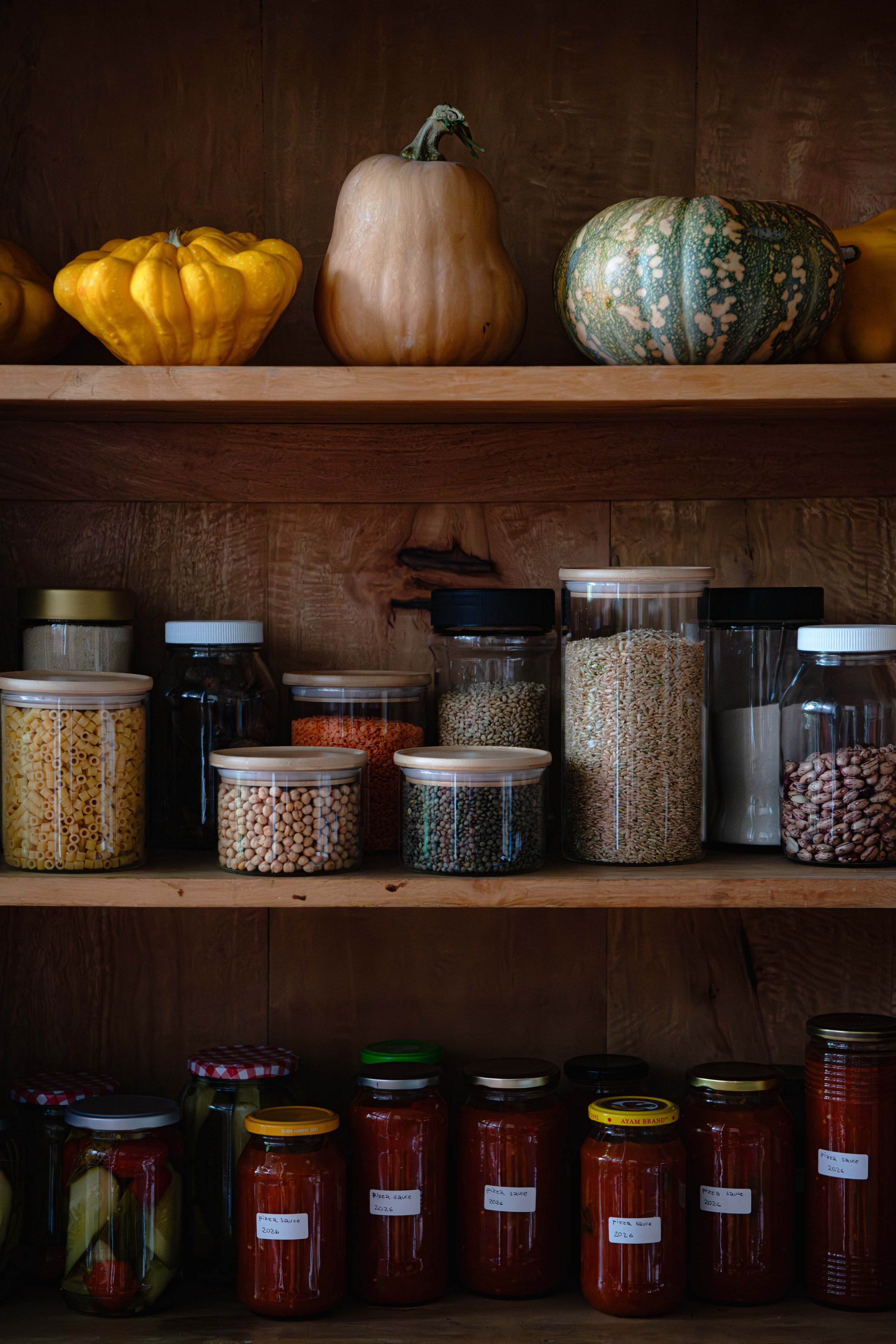
Our house is a bit of an “ingredient house”, as my children like to remind me, but when I know I have most of these on hand, things feel a little bit calmer, and there is always something to cook for dinner.
Dry staples
Pasta (a mix of long and short shapes)
Rice (jasmine or basmati for everyday cooking)
Dried or tinned legumes (chickpeas, lentils, beans)
Flour (for bread, baking, or a quick flatbread)
Oats (for breakfast or simple baking)
Sugar
Yeast (or sourdough starter, even a dehydrated one counts)
Sauces and essentials
Good tomato passata or tinned tomatoes
Soy sauce
Chilli paste or Sriracha
Extra virgin olive oil
Mayonaise
Vinegar (apple cider or red wine)
Honey
Spices
Cumin
Coriander
Turmeric
Paprika
Bay leaves
Chilli flakes
Black pepper
Fresh staples
Onions
Garlic
Potatoes
Carrots
Pumpkin or squash
A few seasonal vegetables (whatever is growing or looks good at the market)
Protein staples
Eggs
Chicken
Mince beef
Tinned fish (tuna, sardines, mackerel)
Yoghurt
Cheese (feta, cheddar, mozzarella, parmesan)
Milk (powdered milk saved me a trip to the shops more times than I can count, and it works a charm in baking)
As you can see, it is all fairly simple. Just everyday things you can find in any supermarket and keep between the pantry, fridge and freezer. There is no need to buy it all at once, just add to it slowly as the budget allows.
Out of all the listed above, flour is probably one of my favourite staples. There is so much you can make with it, with just a few other ingredients, and of course, making pasta has to be one of our favourites here.
Pasta - Garganelli and More
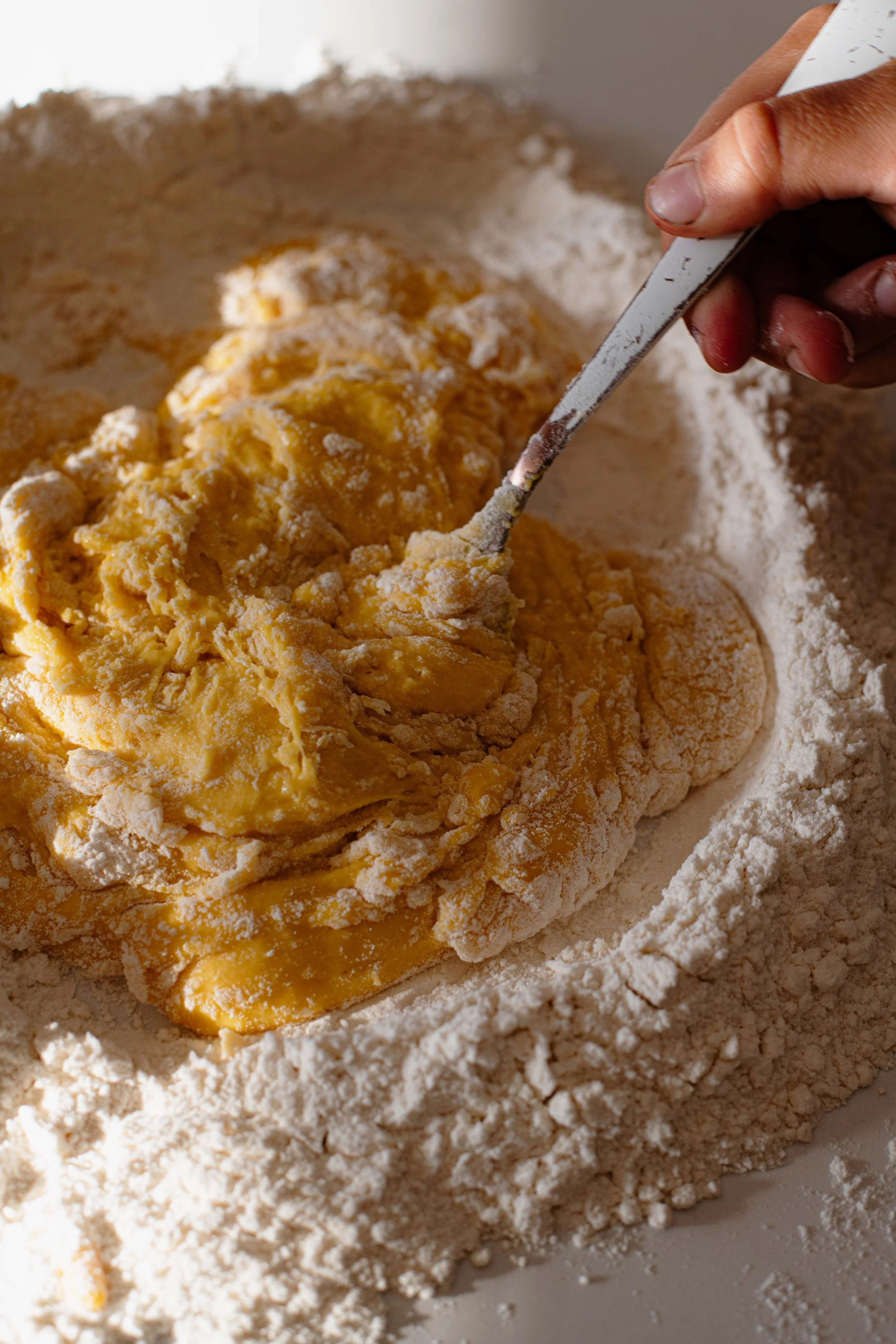
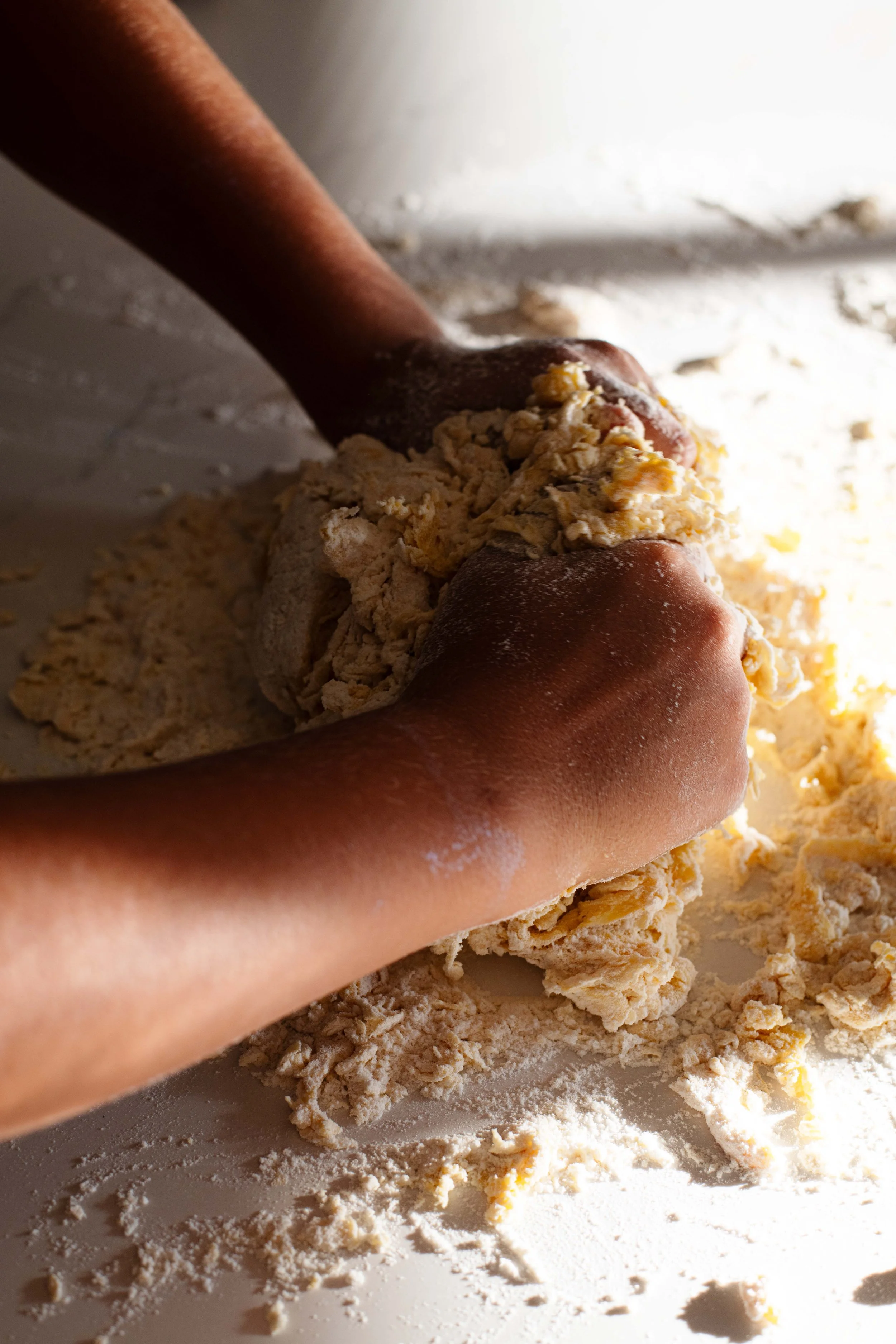
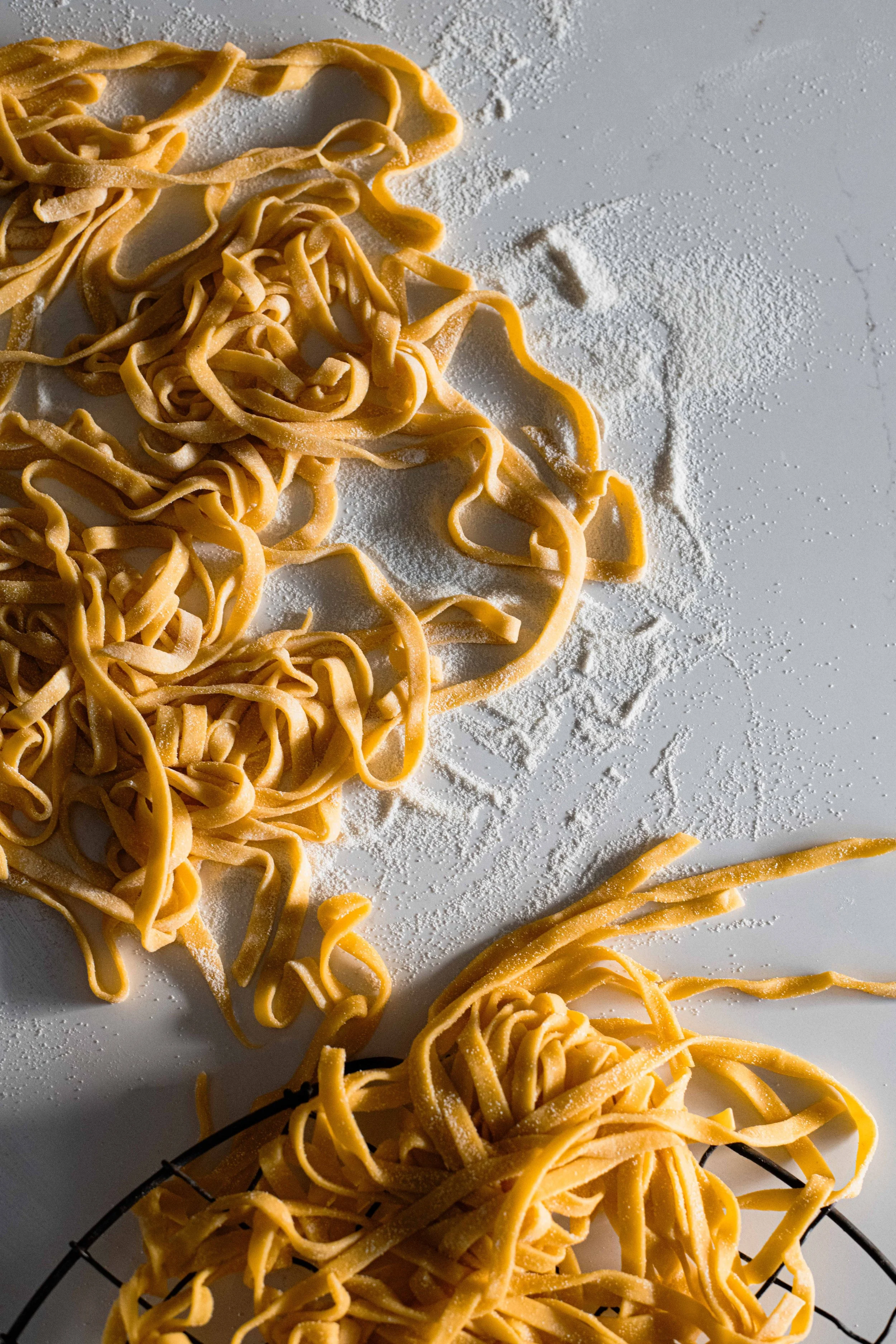
Fresh pasta is one of those things that sounds more complicated than it is. It is incredibly versatile and, once you get the feel for it, comes together quite easily.
A good guide is about one egg for every 100 g of flour, though it can vary slightly depending on how absorbent your flour is.
You are looking for a dough that is firm but pliable, not too sticky or too dry. It might take a try or two to get the feel for it, but once you do, it becomes second nature.
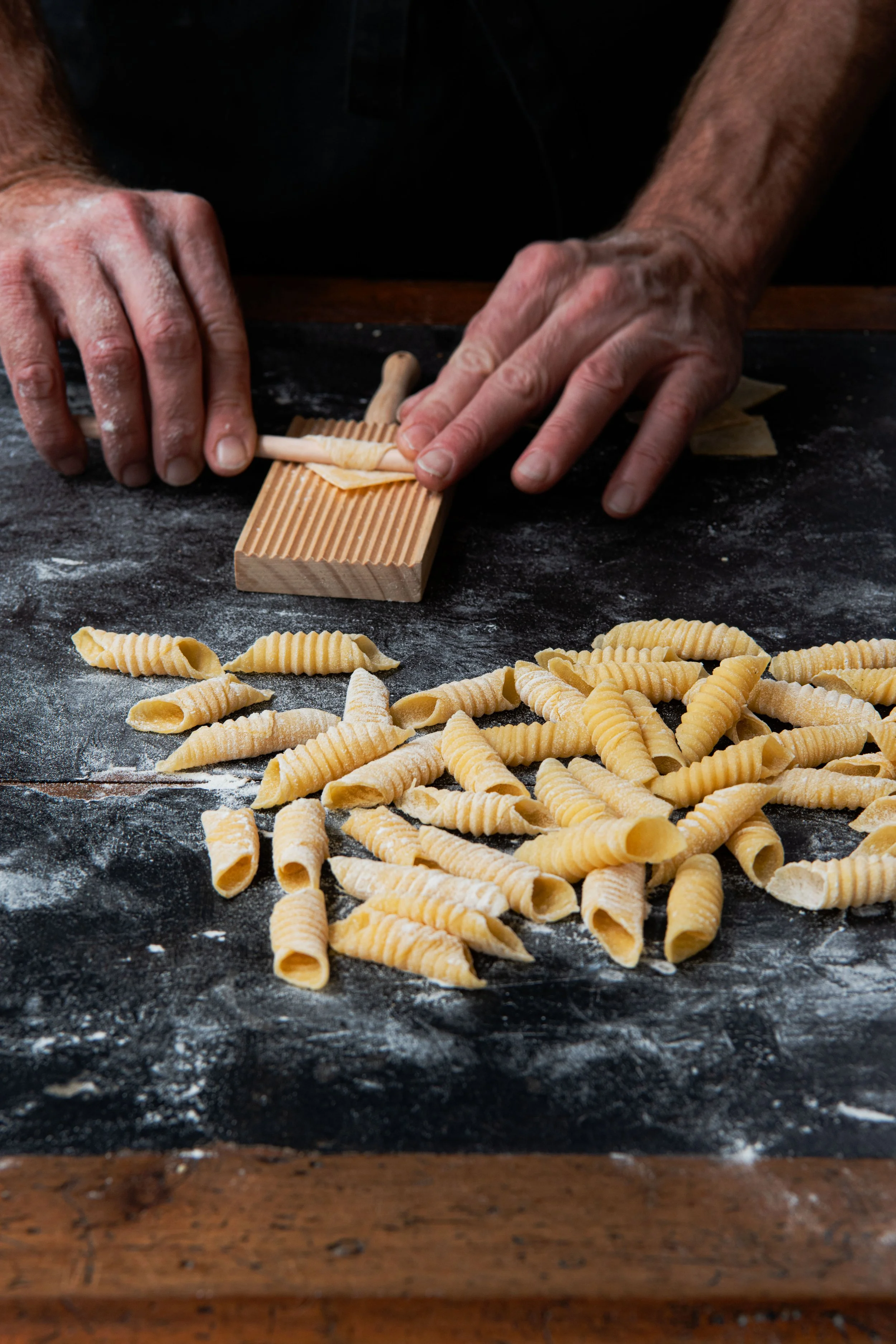
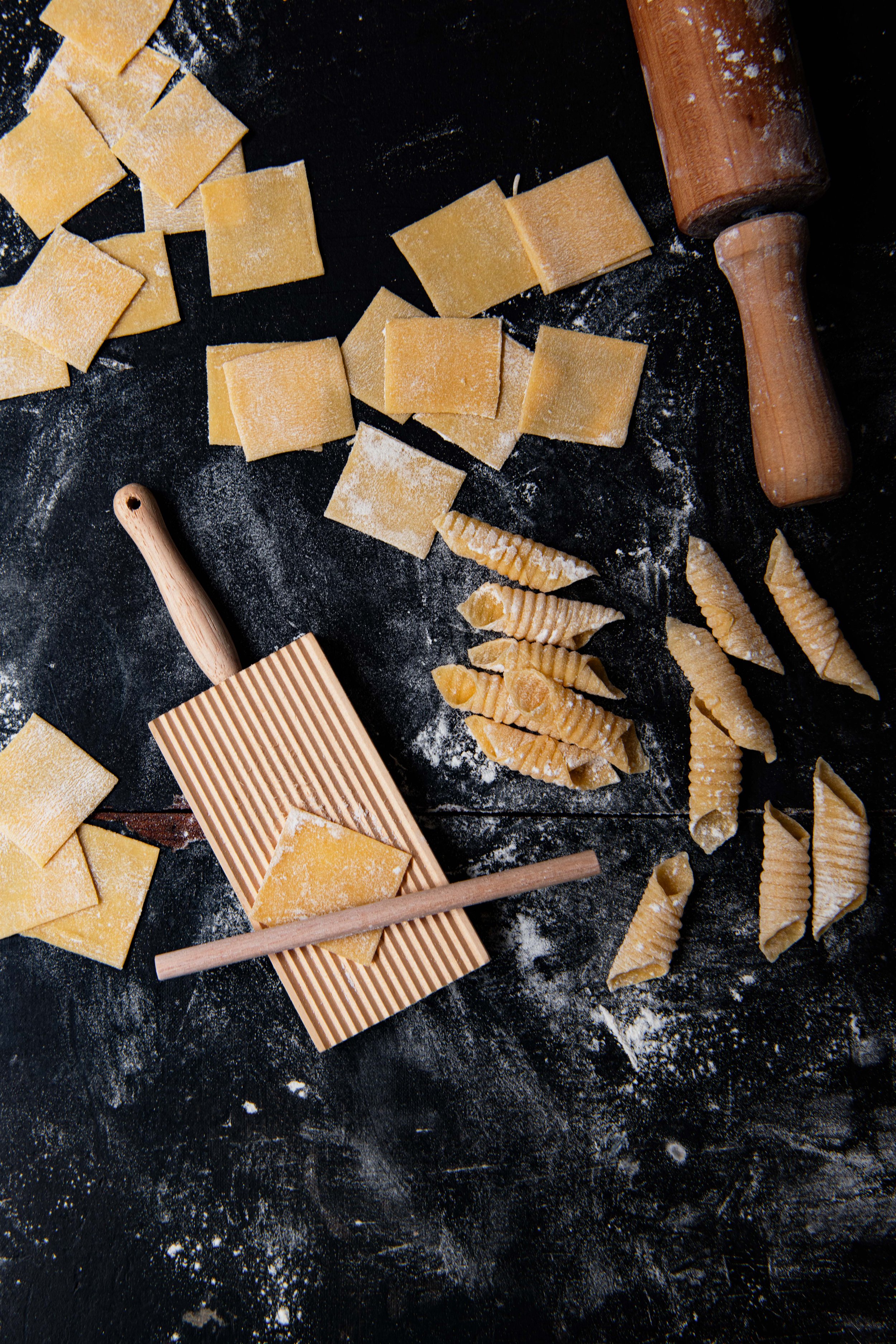
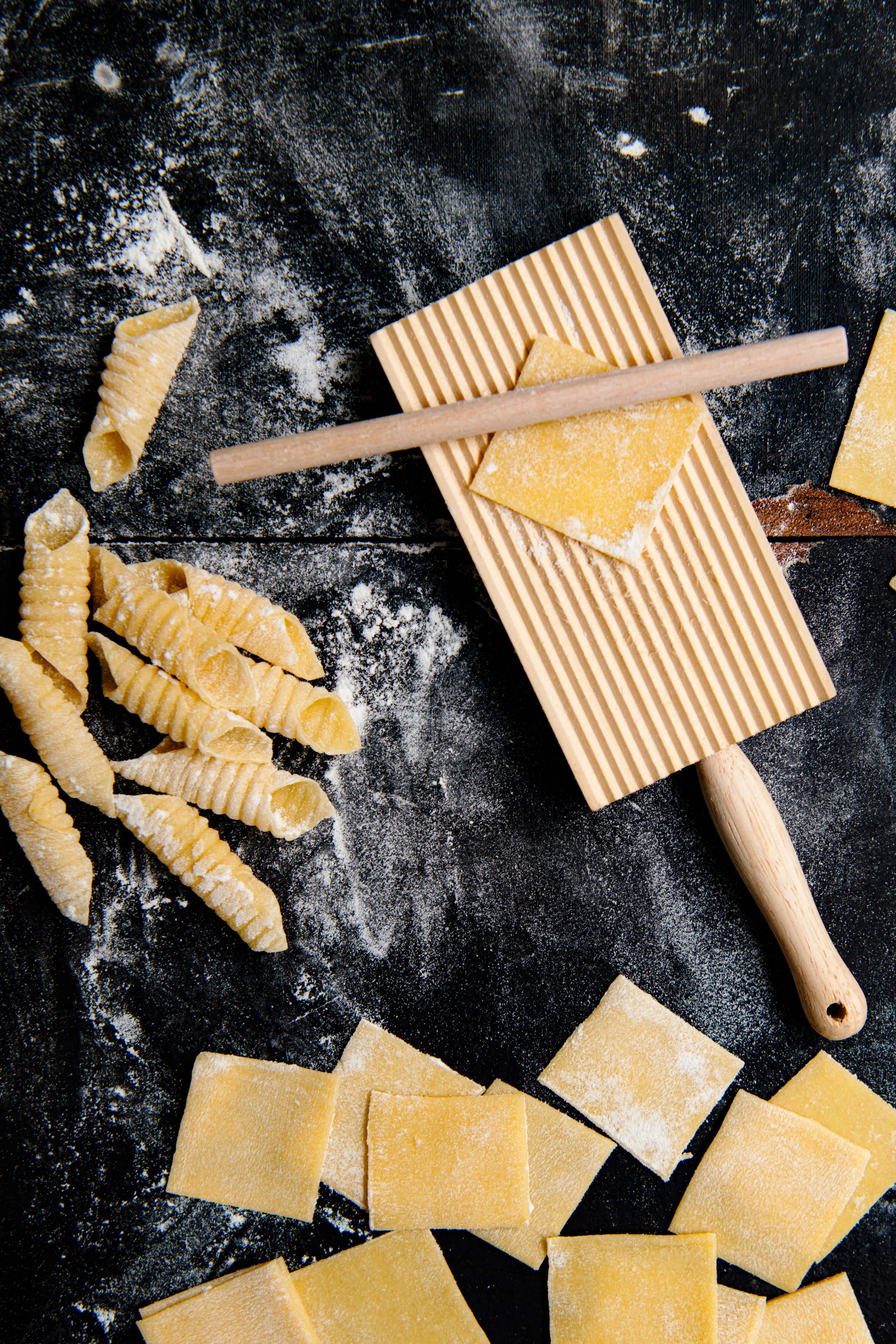
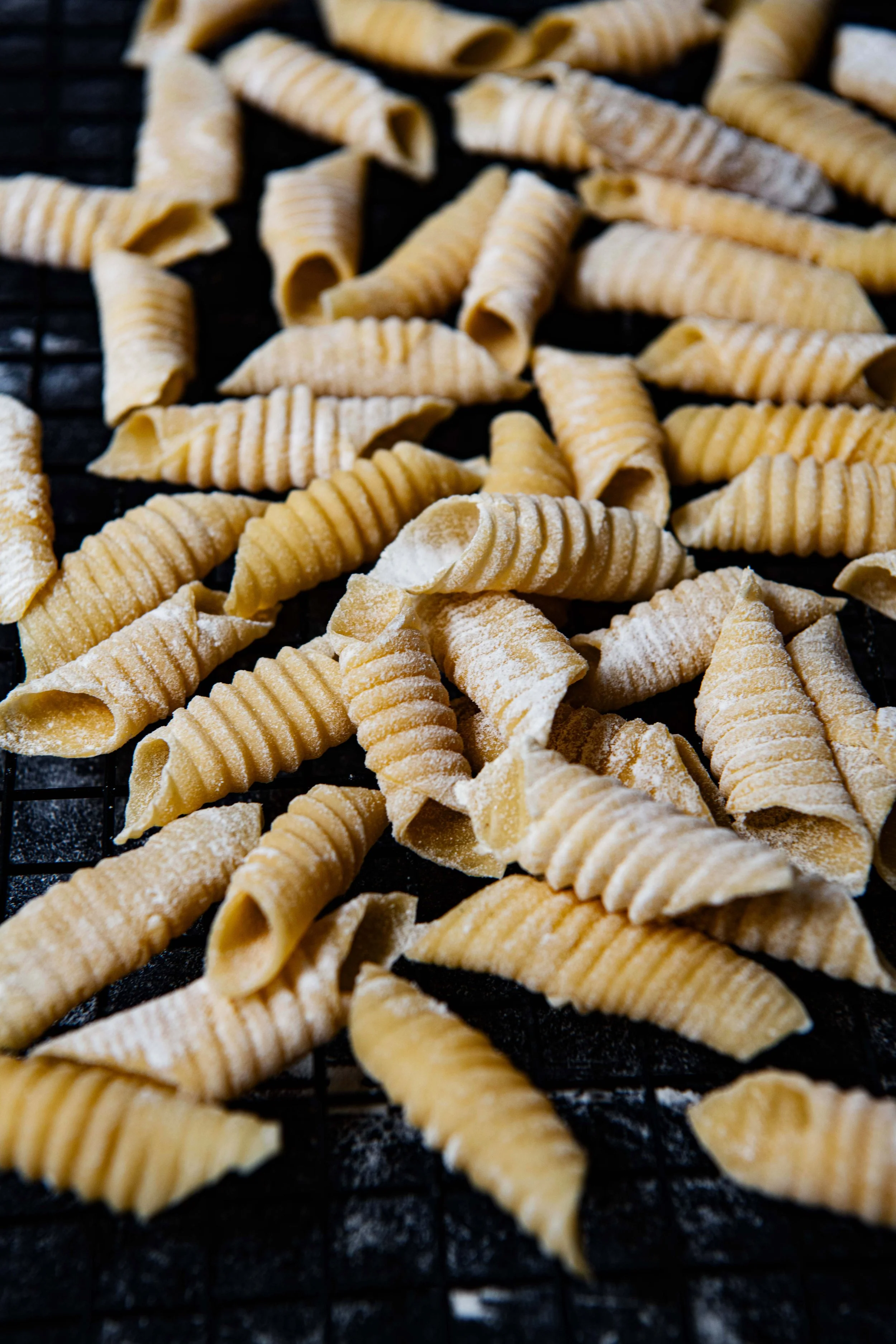
Garganelli in particular are a joy to make, especially on a rainy day. There is something quite satisfying about rolling each piece, and those little ridges hold onto the sauce so well.
Serves 4 - 6
Ingredients
400g flour (I use bakers flour)
4 medium size eggs
1 tsp fine sea salt
1 tbsp olive oil
Method
Tip the flour onto your bench and make a well in the centre.
Crack the eggs into the well, add the salt and olive oil, and gently whisk with a fork, slowly bringing in the flour from the edges. It will look a little messy at first, just keep going.
Once it comes together, use your hands to form a dough.
Knead for about 8–10 minutes, until smooth and elastic. If it feels a little dry, add a few drops of water. If it is sticky, dust lightly with flour.
Wrap and let it rest for at least 30 minutes.
Divide the dough into four equal pieces. Take one piece at a time and keep the rest covered so they do not dry out.
Roll the dough out until thin ( it is N4 on mine), using a pasta machine if you have one, but an old rolling pin works just as well.
From here, shape as you like:
For pappardelle: cut into wide ribbons.
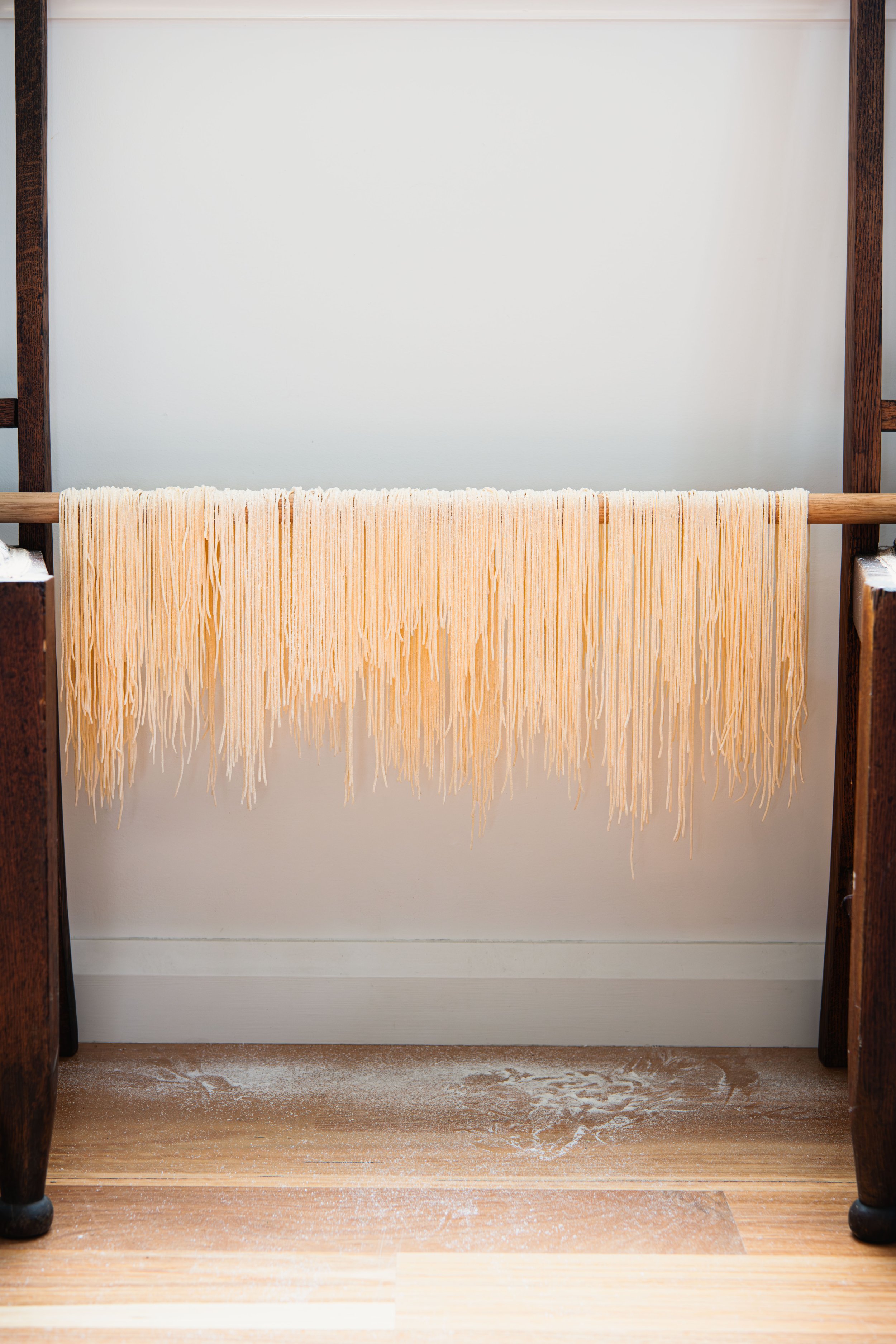
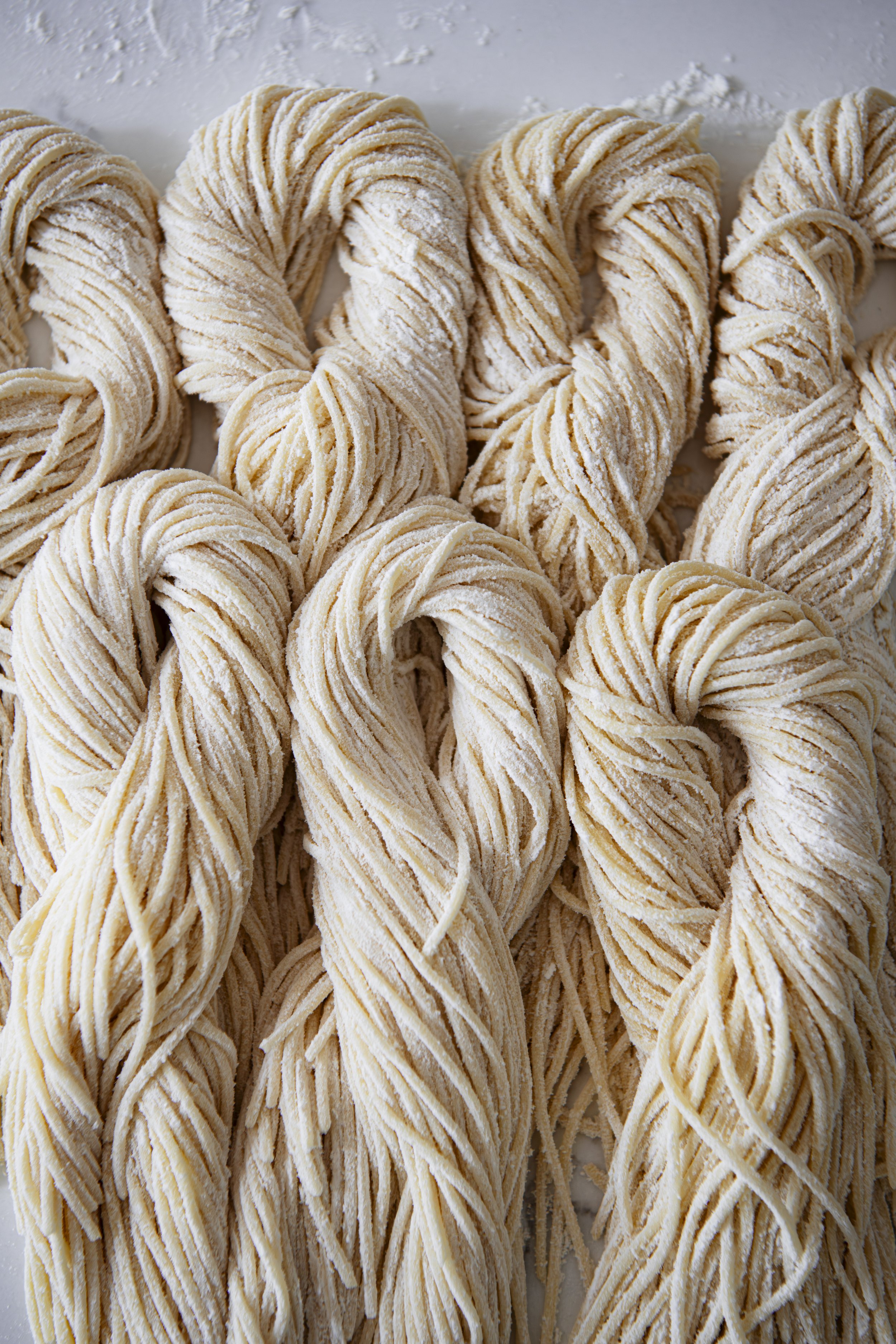
For spaghetti: cut into thin strands or use a spaghetti attachment.
For garganelli: cut into small squares, then roll each piece over a gnocchi board or fork using a small wooden dowel or chopstick to form little ridged tubes.
Cook in well-salted boiling water for 2–3 minutes, until tender.
No Rules Tomato Sauce
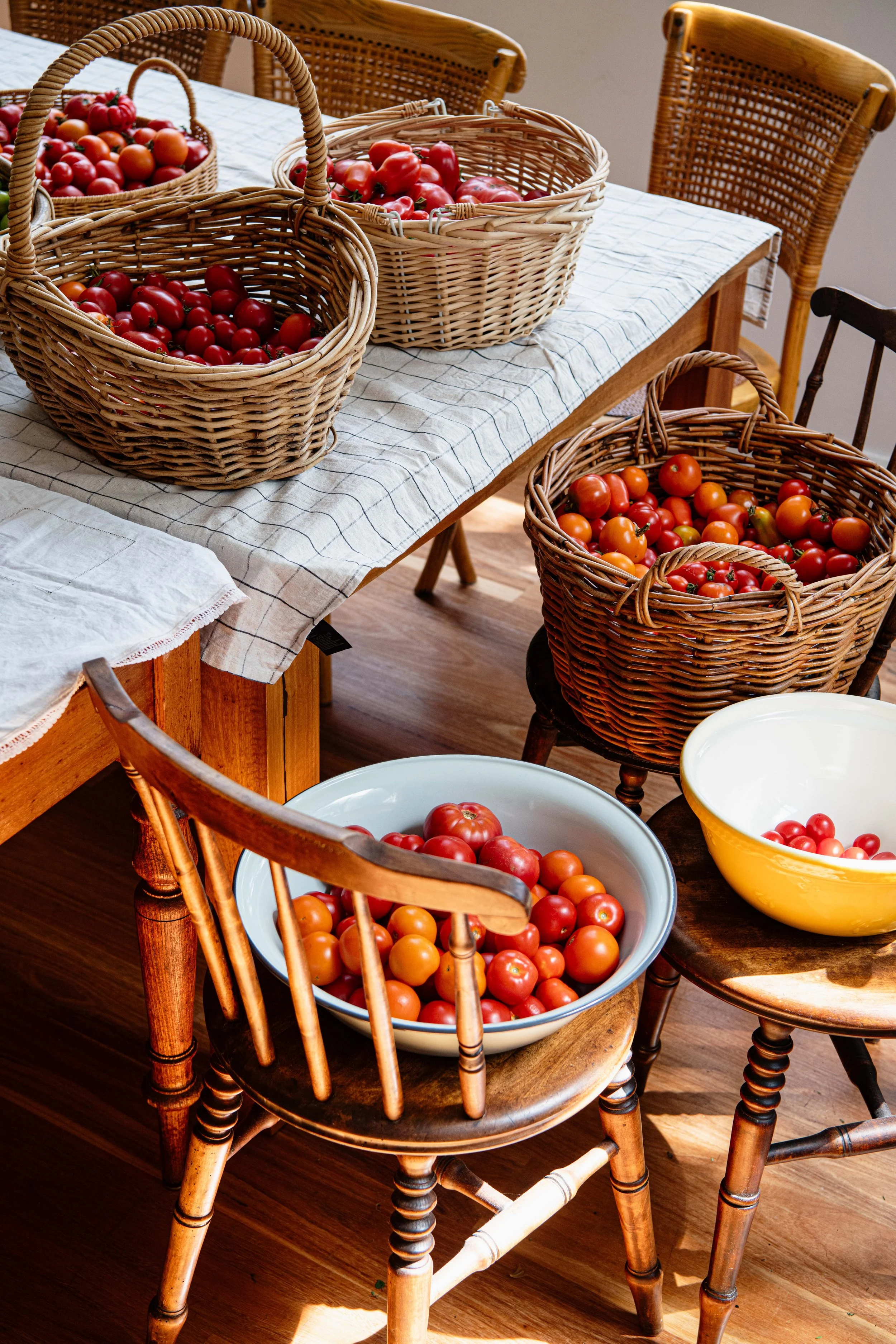
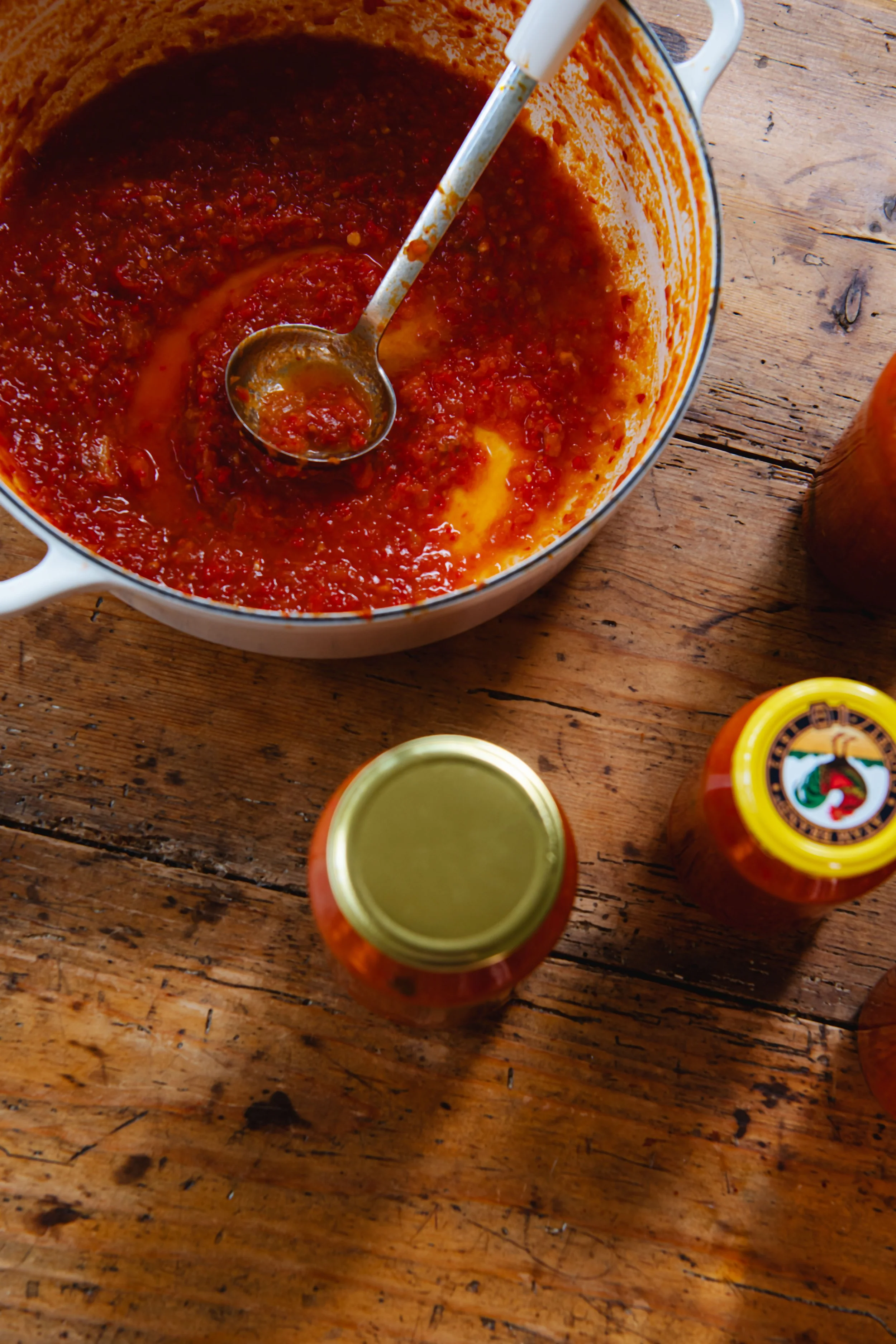
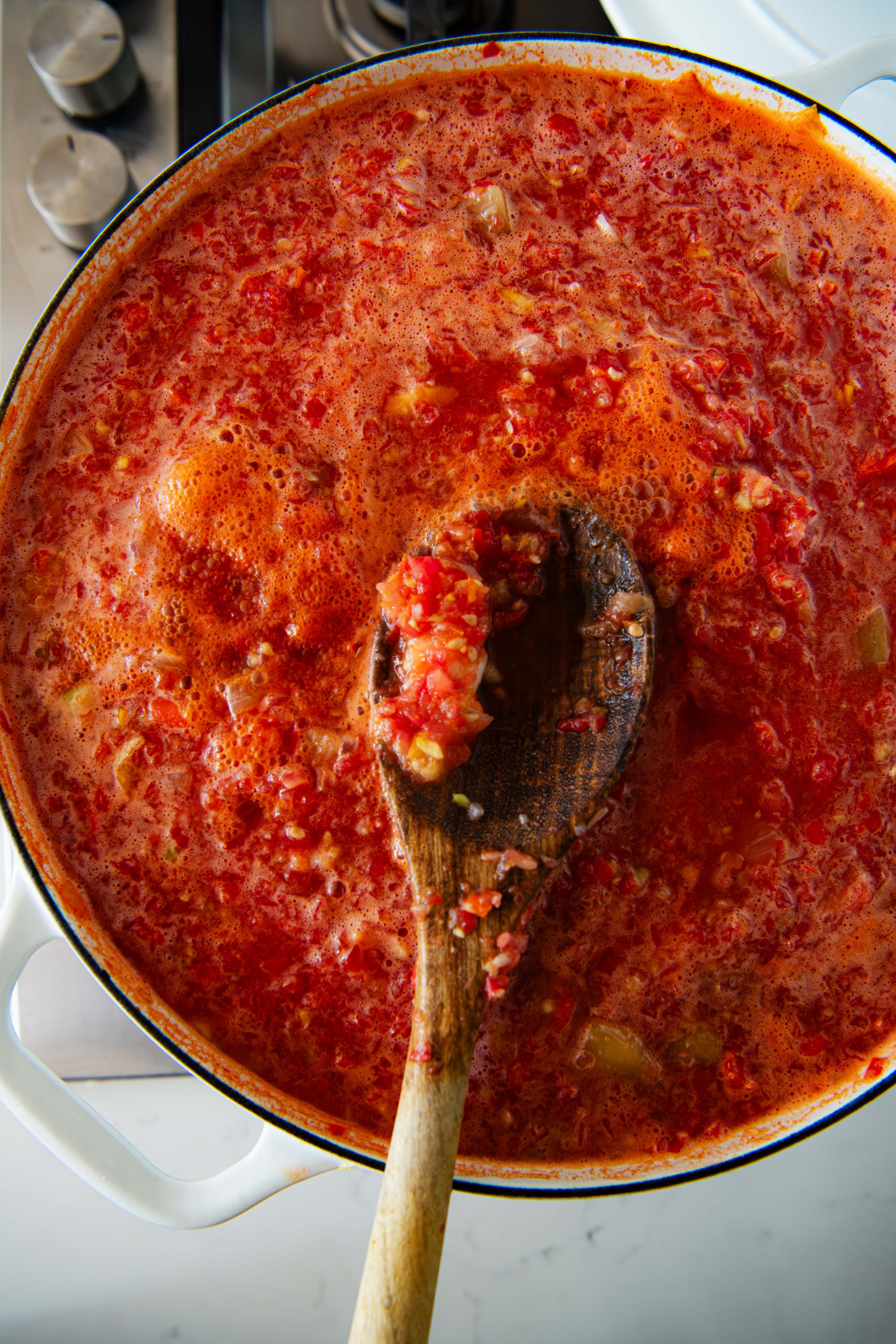
I call it a “no rules” tomato sauce because there are no strict rules around it. You can add whatever vegetables you have on hand, and as much or as little as you like.
I have made many variations over the years, sometimes with aubergine, carrots and zucchini, other times with just two or three ingredients.
Makes 4-5 Litres
Ingredients
3 kg tomatoes
2 aubergines (eggplants ) peeled and diced
2 large brown onions, peeled and diced
6 garlic cloves, peeled and crushed
1/3 cup extra virgin olive oil
2 large capsicums
1 zucchini
1-2 chillies
2 tbsp apple cider vinegar
1 bay leaf
1 tbsp salt or to taste
1 bunch fresh basil
Method
Start by preparing your vegetables. I like to dice the aubergines, onions and garlic by hand.
For the rest, I use a food processor. Process the tomatoes, capsicum, zucchini and chilli in batches until finely chopped, but still with a bit of texture.
If you prefer a smoother sauce, you can peel the tomatoes first. Cut a small cross at the base of each tomato, place them in a large bowl and pour over boiling water. After a minute or so, the skins will loosen and peel away easily.
Heat the olive oil in a large, heavy-based pot over medium heat.
Add the onions and cook slowly until soft and translucent. Stir in the garlic and chilli and cook for another minute, until fragrant.
Add the aubergine and cook for a few minutes, allowing it to soften and take on a little colour.
Add the processed vegetables and apple cider vinegar to the pot and stir everything together.
Bring to a gentle simmer, then lower the heat and let it cook slowly. Stir from time to time, allowing the sauce to thicken. This can take anywhere from 1 hour to 2 hours
Taste and adjust as you go. Add salt as needed, and if the tomatoes are a little sharp, a small pinch of sugar can help round it out.
Once the sauce has thickened to your liking add torn basil leaves and cook for few more minutes.
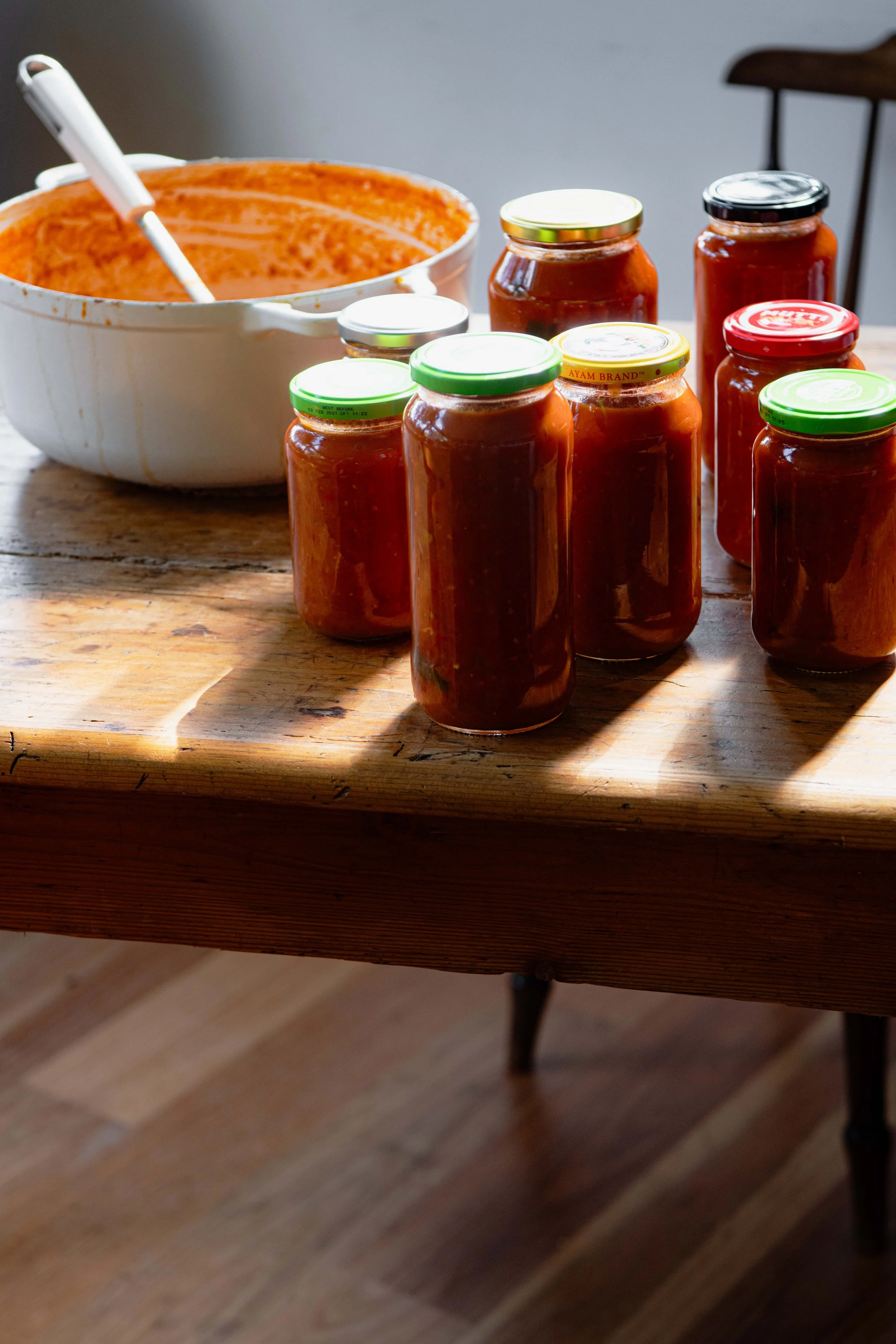
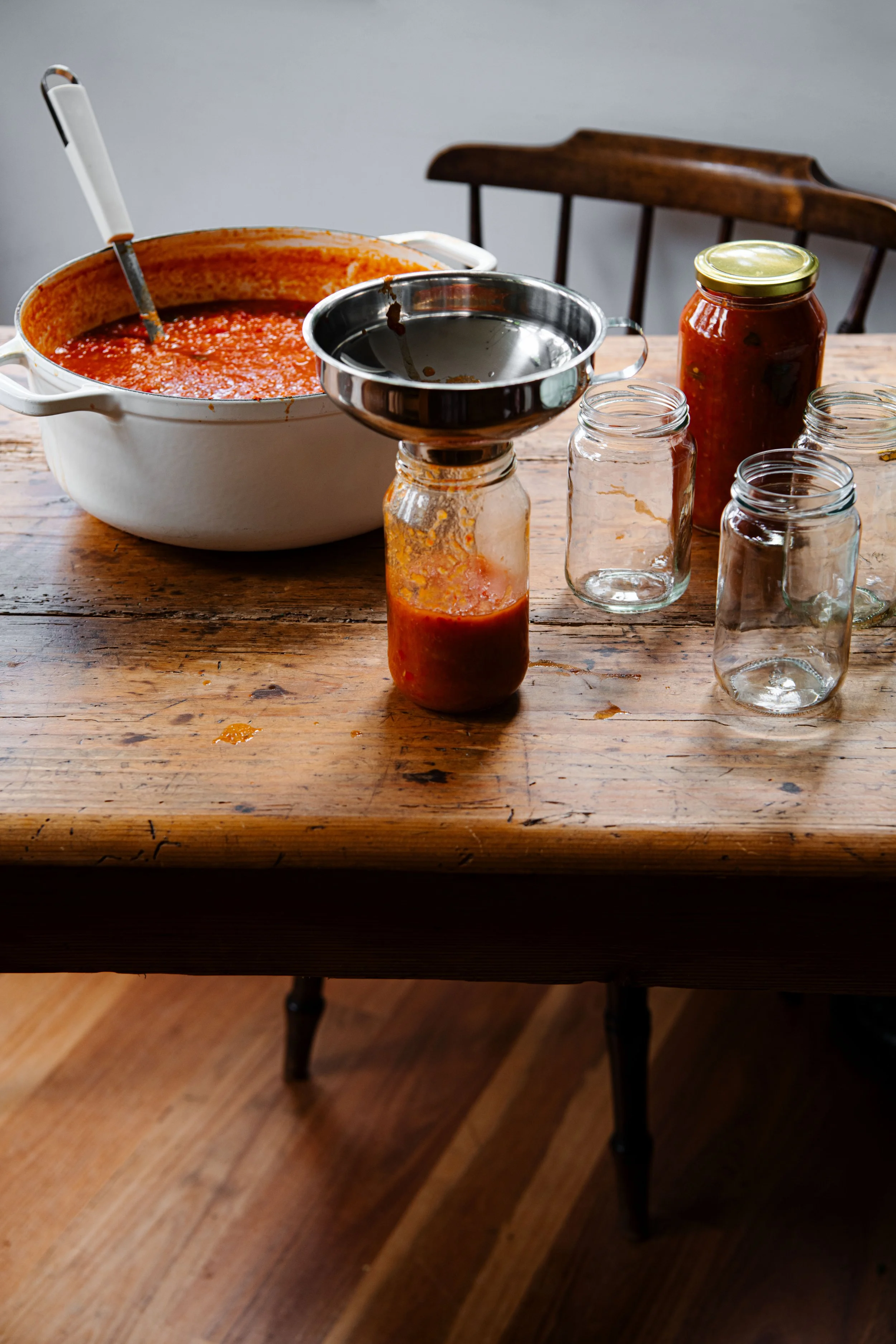
Before canning remove bay leaf. Ladle sauce into sterilised jars while still piping hot. Clean the rims, seal tightly with lids, and leave to cool. As the jars cool, you should hear a gentle pop, a sign that they have sealed properly.
Cooks note:
I keep the sauce on the lowest heat while filling the jars, just to keep it piping hot.
To sterilise the jars, I wash them in hot soapy water and, without drying, place them into a cold oven. I then heat the oven to 115°C (fan) and leave them in for about 20 minutes.